Conspicuity Devices
Seeing and Being Seen
Electronic Conspicuity (EC) is one of the most significant safety advancements in modern microlighting. In an open-cockpit flexwing, maintaining a "see and avoid" lookout is vital, but EC devices add a digital layer of protection. These small, often portable units broadcast your position to other aircraft and alert you to nearby traffic, significantly reducing the risk of mid-air collisions—especially in busy training blocks or around popular airfields.
Currently the 2 main contenders for Electronic Conspicuity are:
PilotAware [LINK]
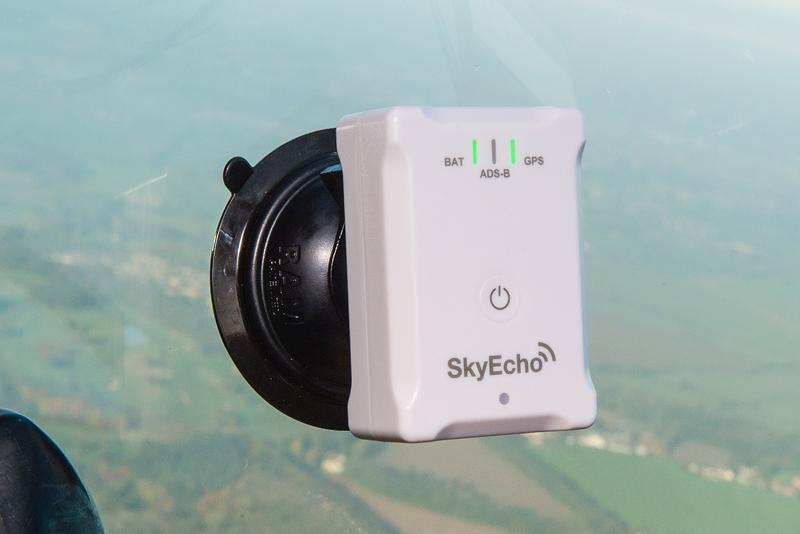
SkyEcho [LINK]

PilotAware vs. SkyEcho 2: Key Differences
While both devices aim to keep you safe, they operate on different technologies and networks.
SkyEcho 2 (ADS-B Out):
How it works: It uses ADS-B technology to broadcast your position directly to other aircraft and Air Traffic Control.
It is a "CAP 1391" approved device, meaning it is legally allowed to transmit your position on the 1090MHz frequency. Primary Benefit: It makes you visible to almost all commercial traffic and any GA aircraft equipped with ADS-B In. It is a "set and forget" portable unit with a built-in battery.
PilotAware (The Grid Network):
How it works: It uses a proprietary frequency to communicate with a massive network of ground stations (the ATOM grid). It "sees" almost everything—ADS-B, Flarm (used by gliders), and even Mode S transponders via its ground station uplinks.
Primary Benefit: It provides a more comprehensive "picture" of the sky by pulling in data from multiple sources that a standard ADS-B receiver might miss.
It is often preferred by those who want the most complete traffic data on their tablet or EFIS.
The Benefits of Carrying EC
Reduced Pilot Workload: Automatic alerts allow you to focus more on flying and less on scanning empty patches of sky.
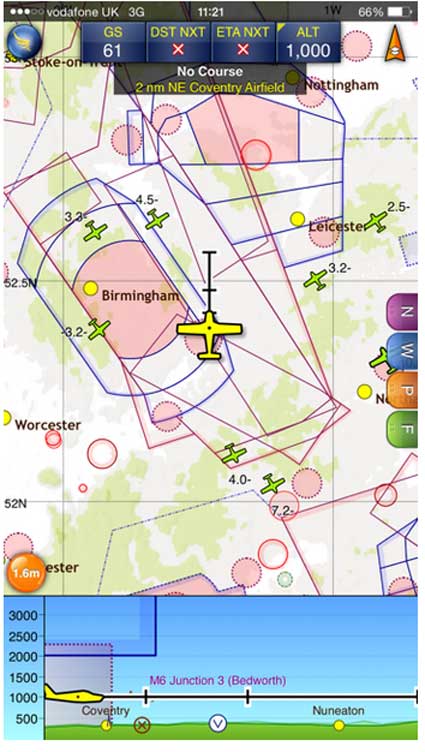
Integration: Both devices can link via Wi-Fi to tablets running software like SkyDemon, showing live traffic directly on your moving map.
Weather & Metadata: Some devices can provide additional data like METARs or weather overlays during flight.
Peace of Mind: Knowing that faster-moving GA or military traffic can see your position from miles away provides a significant safety margin.
The Path to Mandatory Carriage
The CAA has been actively encouraging the use of EC through rebate schemes and grants, aiming for a "detect and avoid" environment across all classes of UK airspace.
While not currently mandatory for all VFR flights, the trend is moving toward Mandatory Carriage in specific blocks of airspace. The CAA is working on a "National Connectivity Strategy" which suggests that as the sky becomes more crowded—particularly with the future integration of drones—having a "digital footprint" will likely become a legal requirement for all powered aircraft to ensure everyone can be safely deconflicted.